 Dutch
Dutch

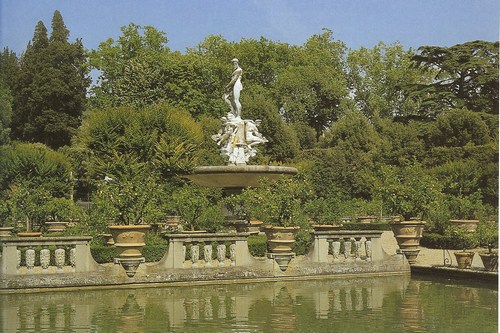 Boboli, Florence
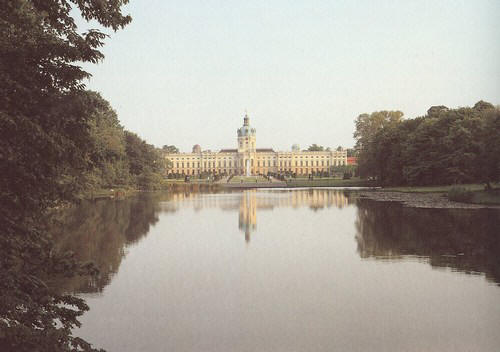
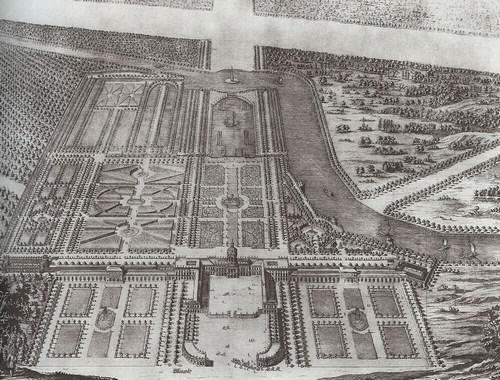
Gardens of Schloss Charlottenburg, Berlin
(plan of the grounds
after Eosander von Göthe 1708)
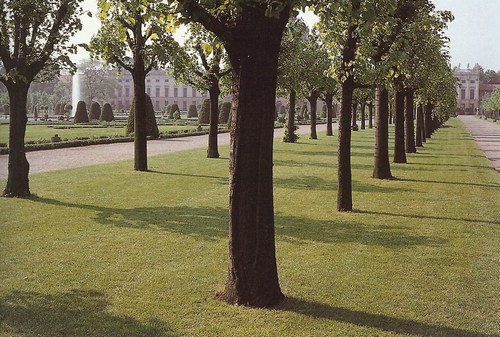
Charlottenburg
Landscape art in Holland
In Flevoland: Polderland Garden of Love and Fire
of Daniel Libeskind,
Aardzee of Piet Slegers,
Sea Level of Richard Serra,
De Groene Kathedraal of Marinus Boezem
Observatorium van Robert Morris. This last
piece of art is one of the few real Land Art
projects.
In The Hague: Hemels Gewelf van James Turell
In Emmen Broken Circle and Spiral Hill of Robert Smithson.
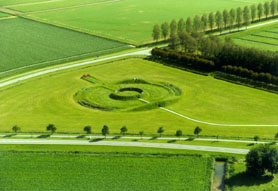
Robert Morris, Observatorium
Photo: Gert Schutte
'Instead
of using a paintbrush to make
his art,
Robert Morris would like to use
a bulldozer'
Robert Smithson in Artforum,
New York,
June 1967, no 5 pp. 36 - 40
Source: Museum De Paviljoens, Almere
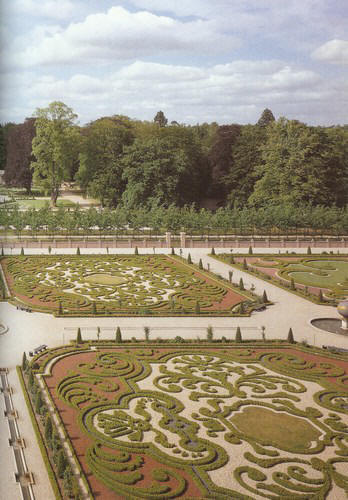
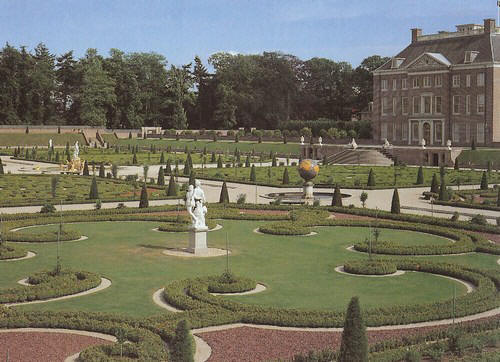
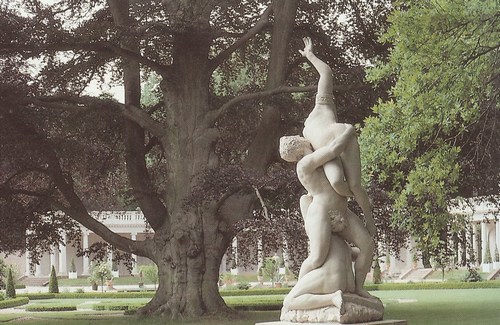
One of my favorite landscapes... Bosco Sacro, Bomarzo
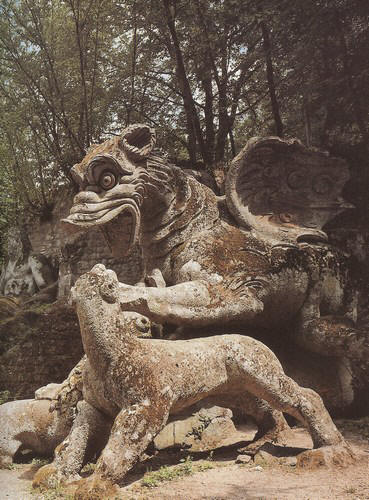
Fighting dragon
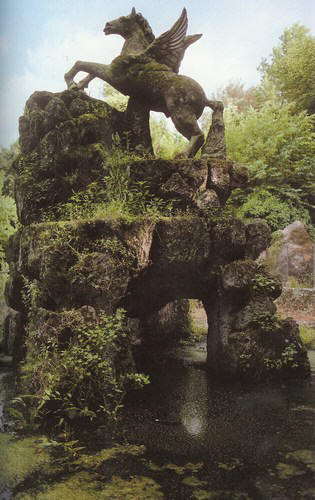
Pegasus
Germany and Italy...
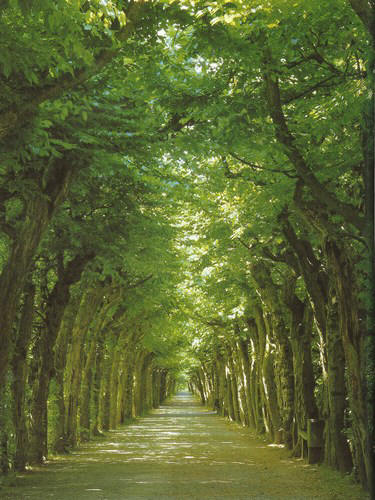
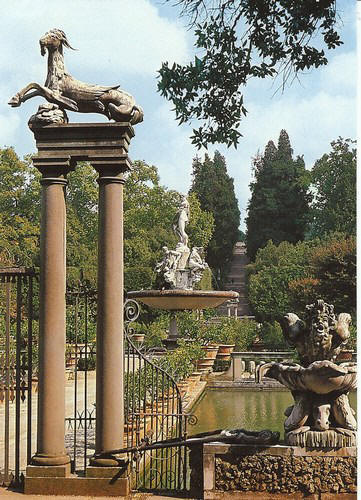
Hermitage, Bayreuth
Detail Boboli Garden, Florence
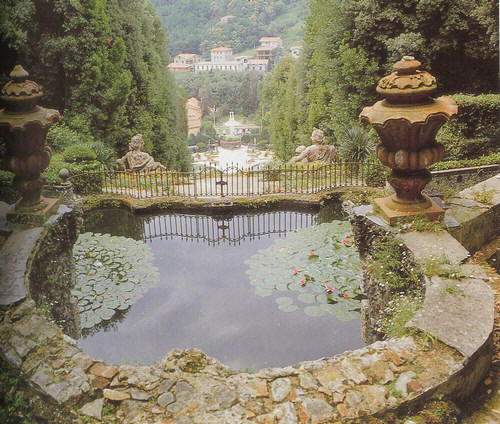
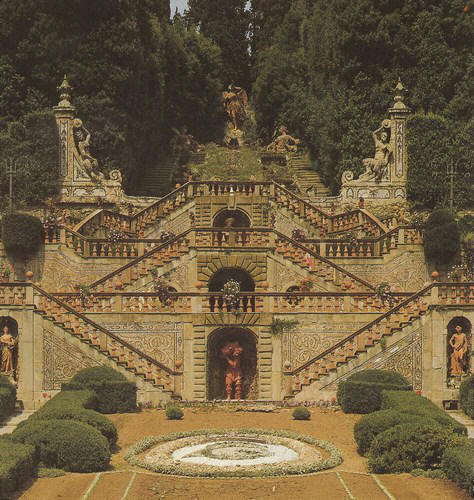
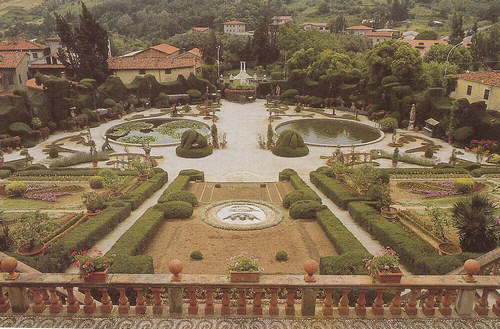
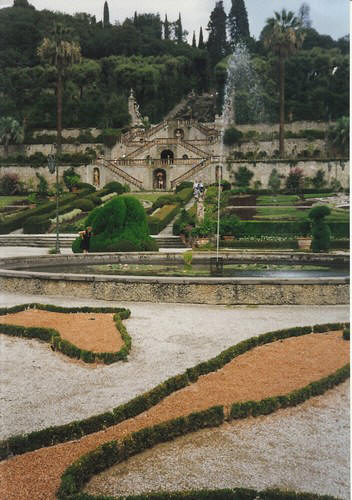
Four pictures (1998) of the
garden of Villa Garzoni, Collodi,
also a lovely garden...
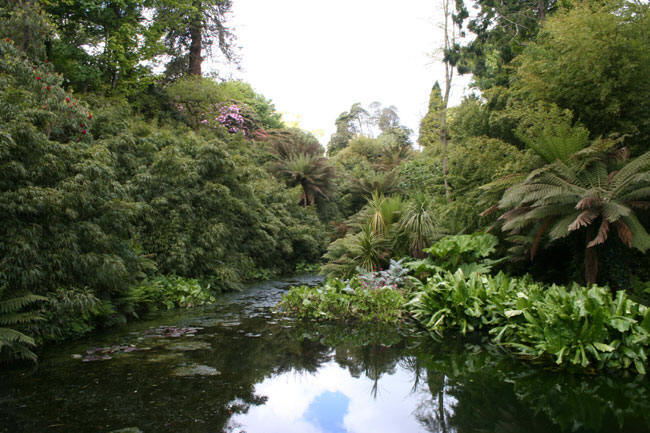
Lost Gardens of Heligan
http://www.heligan.com
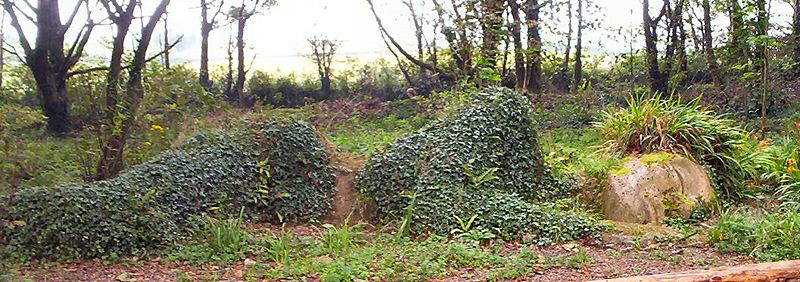
Mud Maid,
Lost Gardens
Photo: markbagnall
De Hoge Veluwe (Holland)
De Hoge
Veluwe National Park encompasses
more than 5.000 hectares of
woodlands, moorland, grasslands
and sand drifts.
There are more than 40
kilometres of cycle paths.
The famous 1700 White Bikes are
available free of charge at the
Park entrances and the Visitor
Centre.
The Park's different landscapes
are home to a wide diversity of
plant and animal species. From
the rare Fritillary to the
imposing Red Deer, from the
Alcon Blue to the Dwarf
Viper's-grass; they all live in
the Park.
The Park is also home to dozens
of Red List species, such as the
Wheatear, the Wryneck, the Moor
Frog and the Grass Snake.
The fauna, or animal life in the
Park, is as diversified as its
lavish flora. The Park is
habitat to numerous animals:
some hundreds of Red Deer, Roe
and Mouflon, dozens of Wild Boar
and lots and lots of smaller
animals.
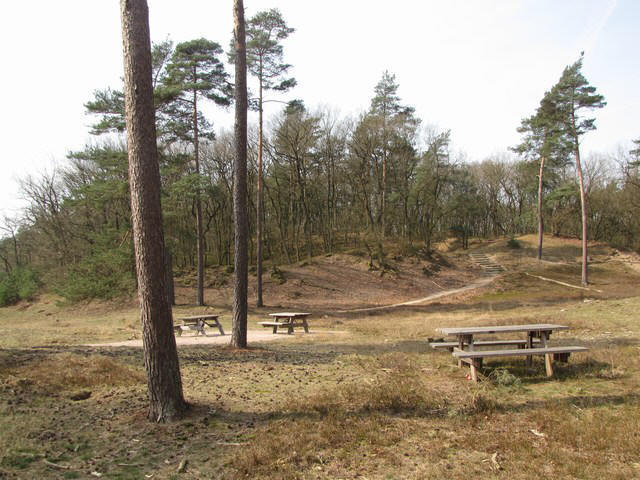
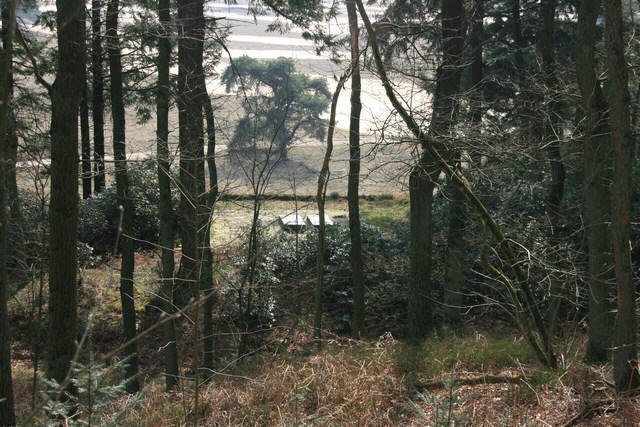
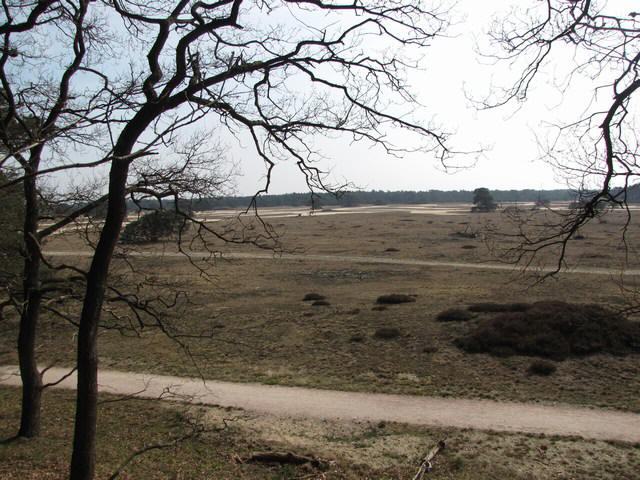
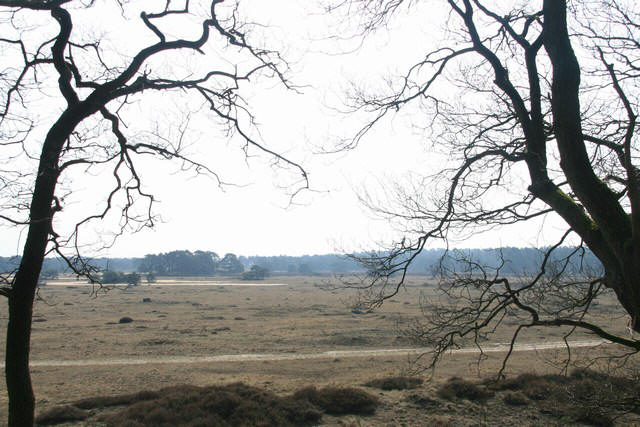
The Franse Berg is in fact an elongated former active dune, some 20 metres high. The hill was formed by a growing dune when large parts of the Veluwe were still sand drifts. “Towering” 65 metres above Amsterdam Ordnance Datum (ANP), it is the highest point of De Hoge Veluwe National Park. The name ‘Franse berg’ probably survived from the time French troops used this as an observation post during the French occupation of the Netherlands (1792-1813). The Franse Berg is now planted with oak coppice to retain the sand. The Kröller-Müller crypt rests on the south side of the hill. The crypt looks out over the Pampelse and Deelense Zands but is closed to the public.
 |
 |
 |
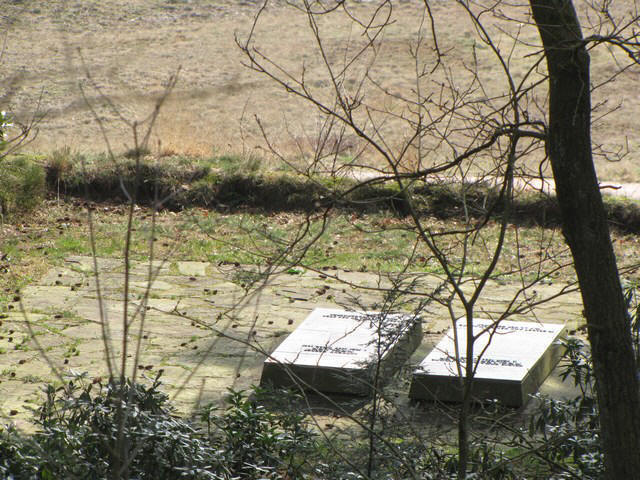 |
Burial place
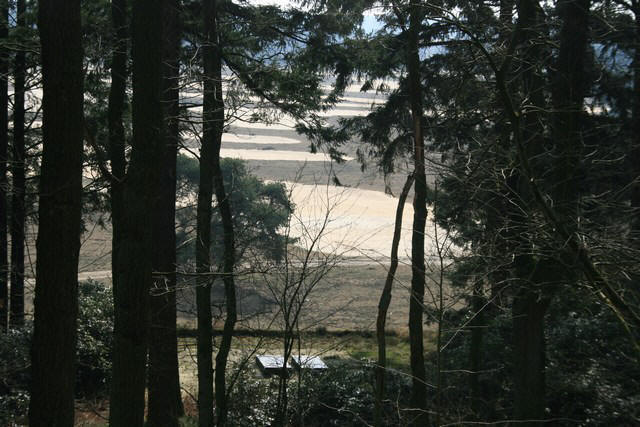
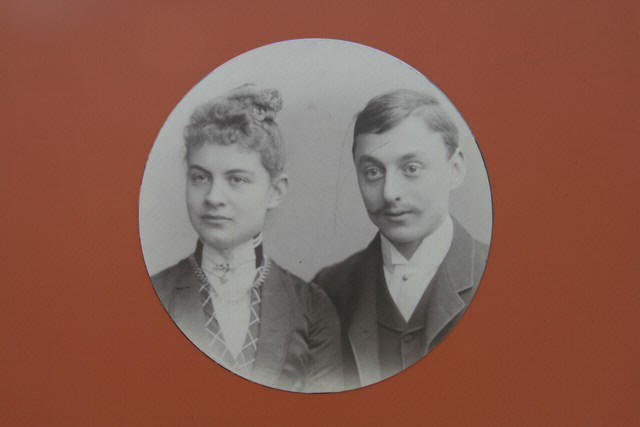
Franse Berg forms the boundary between the wooded landscape to the north and the open landscape towards the south. The hill protects the northern area from wind and drift sand. It was one of Helene Kröller-Müller’s favourite spots. She died in 1939 and lies buried here together with Anton Kröller (deceased in 1941). The couple started buying land in the Veluwe in 1906, eventually creating a large fenced estate.
 |
 |
'Sitting quietly, doing nothing,
Spring comes and the grass grows
by itself.'
Zen saying
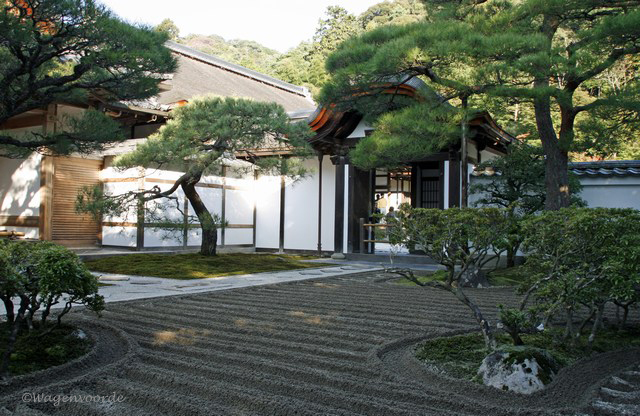
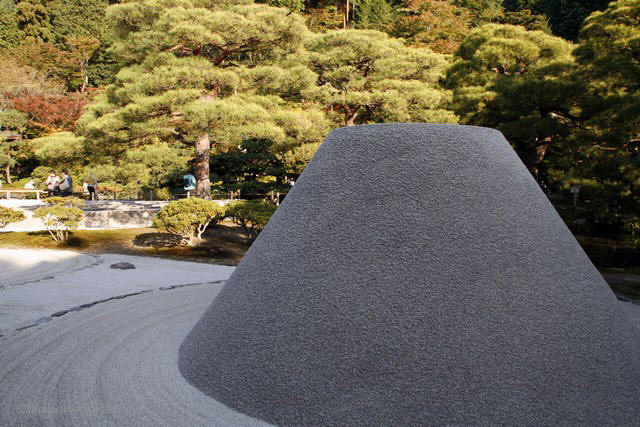
Kyoto, Japan
Groups of skilled craftsmen
called senzui kawaramono ('mountain,
stream and riverbed people')
were responsible for creating a
new style of garden, known as
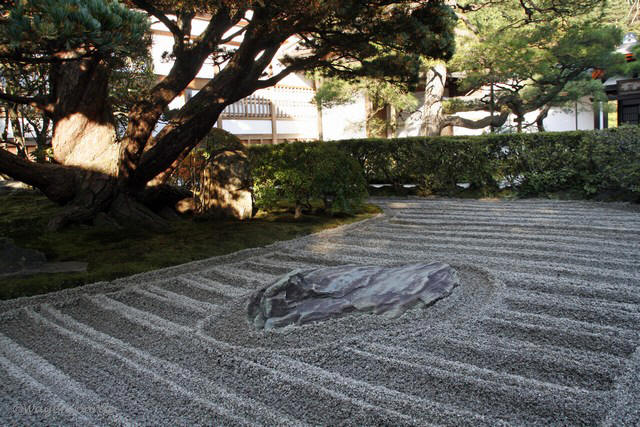
karesansui ('dry mountain stream').
Heavily influenced by Zen
Buddhism, groups of rocks
represent mountains and
waterfalls, and white sand is
used to replace flowing water.
This form of garden, not seen in
any other part of the world, was
probably influenced by Chinese
ink-painted landscapes of barren
mountains and dry riverbeds.
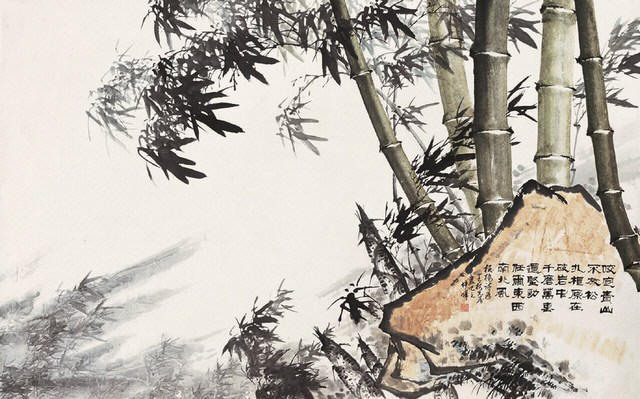
Lu Kongfeng
卢坤峰 (1934~)
Zen gardens are not to
everyone's taste - the apparent
random positioning of unhewn
rocky outcrops, some covered in
moss, and the linear shaping of
gravel are austere to those used
to a profusion of borders and
colour and wide expanses of lawn.
Western gardening is so much
about statement and flourishes
and crammy empty spaces with
some eye-catching arrangement.
Zen gardens are the opposite.
They are about reducing the
number of elements to a minimum
and using the spaces between to
create a harmonious experience.
They are about soothing the
senses rather than stimulating
them.
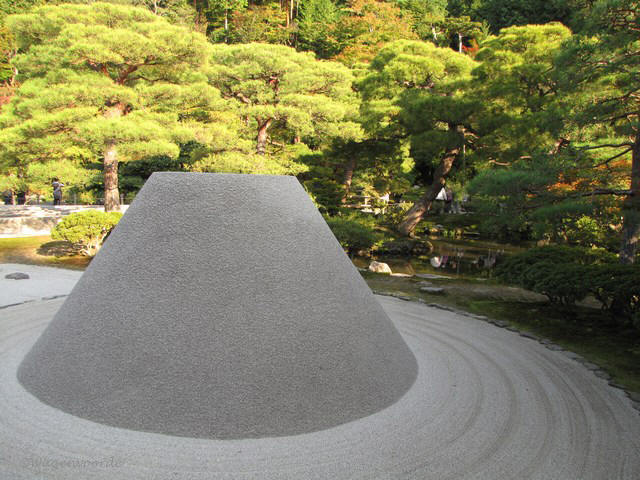
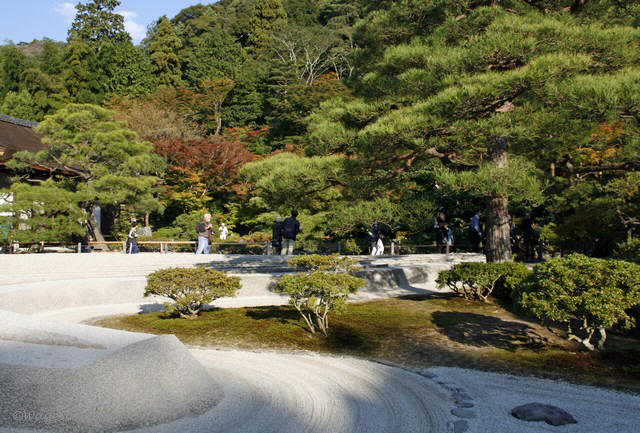
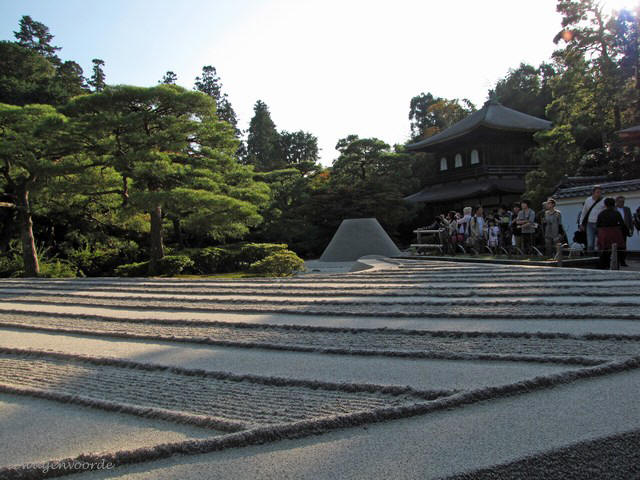
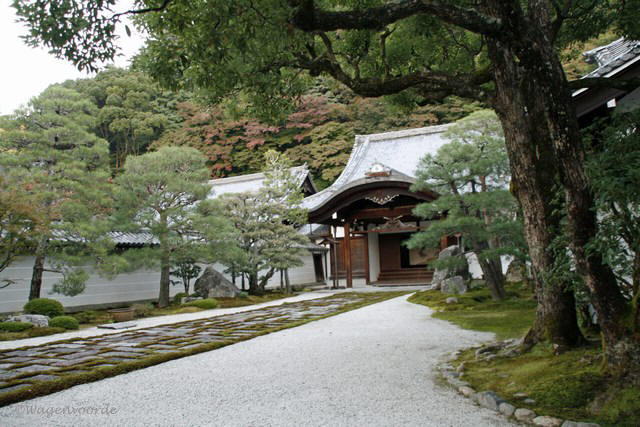
Kyoto, Japan
The Yin-Yang Garden
Balance and harmony are the heart of the Zen garden, reflecting the Tao symbol of yin and yang: the two opposing forces of nature - male/female, outer/inner, darkness/lightness. The opposites are harmonious, however, because they are mutually interdependent. They balance and maintain harmony. The dark and light coloured halves are mirror images making up a whole. In each half there is a tiny circle containing the other half's colour. This symbolizes that one cannot exist without the other, that yin and yang are inseparable.
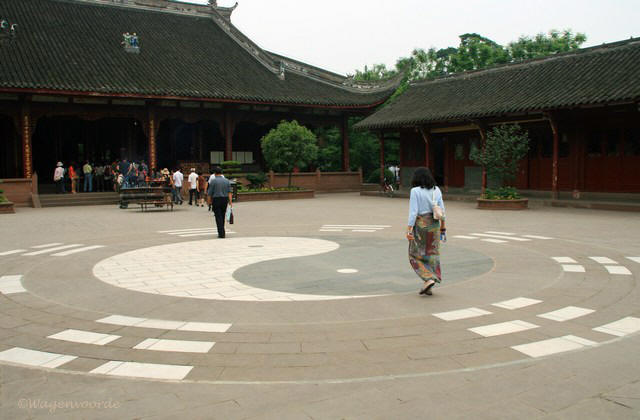
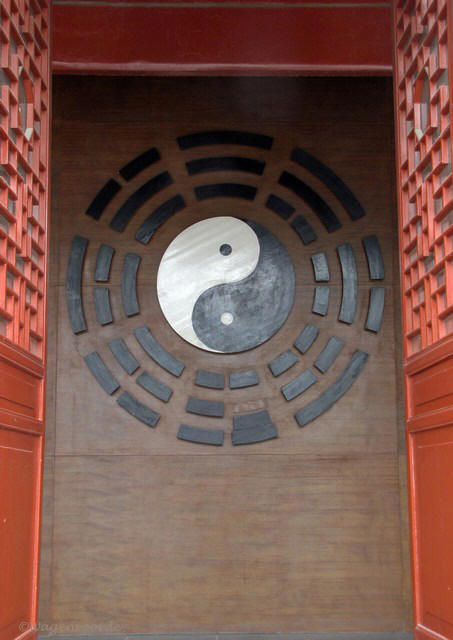
Chengdu, China
So it is in the garden - yin is
represented by sand and gravel.
Zen gardens are dry, so this
takes the place of water, which
is a 'soft' yin element. This is
counterbalanced by the 'hard'
yang elements of rock or clumps
of bamboo.
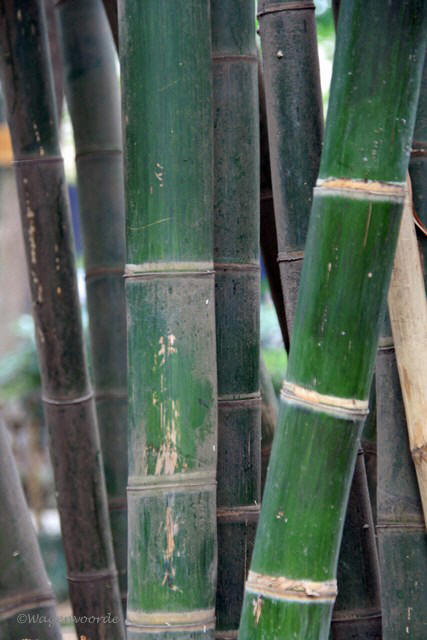
Individual rock groupings are planted to create harmonious shapes such as triangles, though it may be very subtle. The rocks are also symbolic of the mountains where the monks went to meditate, so these rocks are not just positioned on top but rooted firmly below the ground level of the garden.
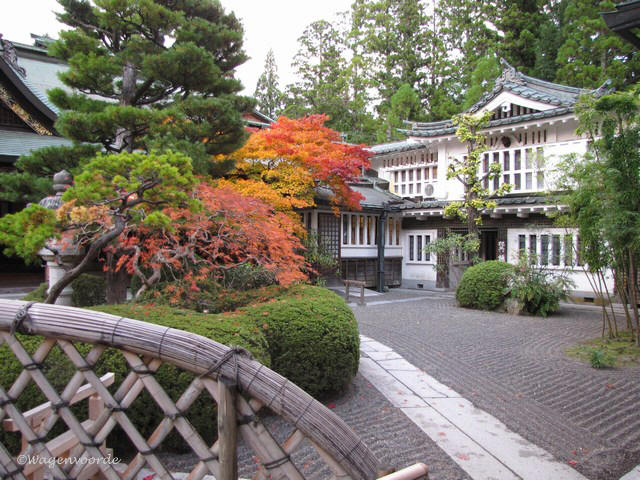
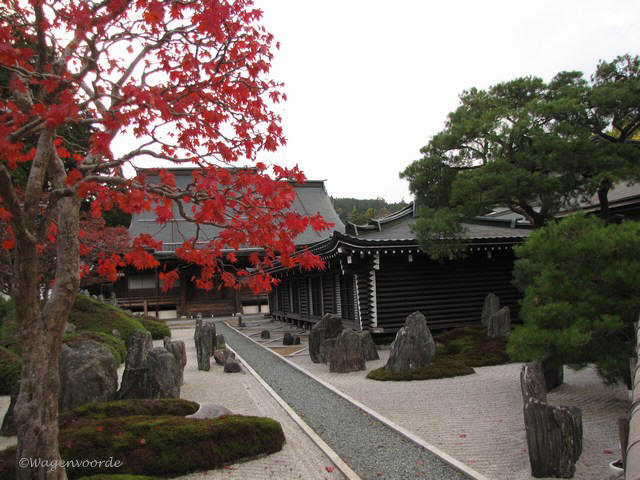
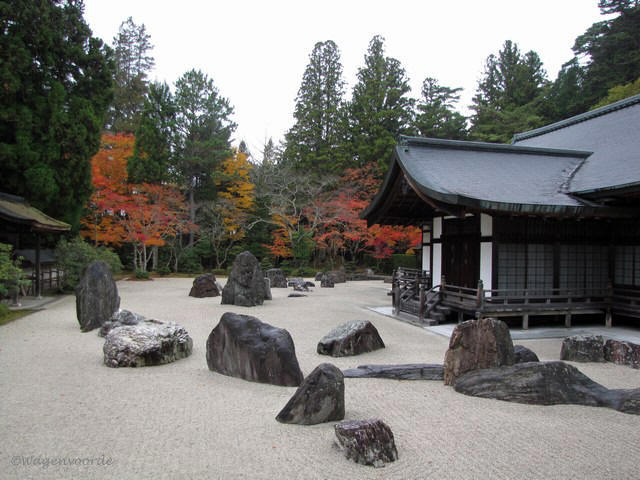
Koyasan, Japan
